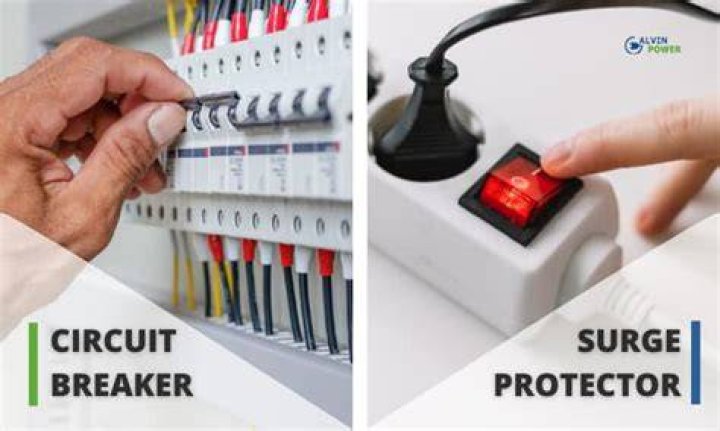
Can a bad surge protector trip a breaker?

Olivia Shea
Published Oct 20, 2026
Answer
Although the surge protector may have a fault, utilising a power strip should not do any harm to your computer. Your computer can only accept the amount of current it requires; additional voltage might harm it; however, I am not aware of any power strips that raise voltage. It’s also possible that something else on the circuit is overloading the circuit breaker.
As a result, may a surge protector cause a breaker to trip?
Surge protectors, in my view, will not prevent you from tripping your circuit breaker. In any case, circuit breakers are intended to disregard surges and transients. It makes no difference whether they’re on the same outlet or not if they’re both on the same circuit breaker. Occasionally, that breaker may also be shared with a neighbouring room where you are running additional loads.
What is the reason of a power strip tripping?
Listed below are three possible causes for your discomfort.
Overloading of the circuit. The most typical reason for circuit breakers to trip is because of a short circuit.
Circuits that are too short. This circumstance, in which a hot wire comes into contact with another wire, is very hazardous since it has the potential to ignite a fire.
There is a problem with the wiring.
Is it possible for a faulty extension cable to cause a breaker to trip in this manner?
While interior extension cords are not a concern when used in small quantities, overloading circuits may occur when too many devices are plugged in at the same time. The breaker will continue to trip until one or more of the gadgets or cables are removed or disconnected.
Is it possible for a surge protector to fail?
The answer is yes, a surge protector is not intended to survive indefinitely and will ultimately fail. The bad news is that it’s almost difficult to identify whether a surge protector has reached the end of its lifespan. As a result, you may believe your appliances are secured from potentially hazardous power surges when they are not.
There were 35 related questions and answers found.
What should I do if my circuit breaker keeps tripping on its own accord?
In the event that your circuit breaker trips, you should: Turn off all of the lights and appliances that are being impacted by the power loss, if possible. Turn off everything that you can think of, including the lights. Identify and locate the circuit breaker or circuit breakers that are in the OFF position in your circuit box. Change the status of the breaker from OFF to ON.
What is causing my surge protector to constantly shutting down?
Some power strips have built-in surge protection, while others include a circuit breaker that automatically shuts down the power strip if it becomes overloaded by a large number of connected devices. However, if you’re connecting electrical devices to a power outlet, a surge protector should be used.
What is the recommended interval between replacing surge protectors?
Despite the fact that many people advocate upgrading a surge protector every two years or so, any advise like this can only be considered a rule of thumb.
Do surge protectors have the ability to prevent electrical fires?
Surge protectors should be used: Aside from shielding electronic devices from power surges, surge protectors lessen the likelihood of an overloaded outlet sparking and igniting, increasing the likelihood of a fire.
What is causing my bathroom breaker to trip over and over again?
Common causes of circuit breakers tripping include overloading, short circuiting, and ground faulting of the electrical system. Once again, your circuit breaker has tripped. You may, of course, just reset the circuit breaker each time it malfunctions. Alternatively, you might try to find out what’s causing the issue so that you can repair it once and for all.
Is it possible for a power surge to harm a circuit breaker?
A power surge may enter a home and cause the circuit breaker to trip, causing the surge to propagate to the numerous outlets around the house. If an appliance is directly connected to the electrical system of a building, it may not be able to withstand the abrupt rush of voltage and may be destroyed.
Is it possible for cold temperatures to trigger a circuit breaker?
Tripping a Circuit Breaker Winter, with all of its celebrations, is a particularly demanding period for electricity. Heating systems, Christmas decorations, portable heaters, and other electrical appliances all place a substantial demand on your home’s electrical system and should be avoided. When it comes to electrical problems, trip circuit breakers and basic electrical difficulties such as flickering lights are frequent throughout the winter.
When is an electrical circuit overloaded, what are the three warning signs?
Warning indications of an overloaded circuit include: Lights that are flickering, blinking, or fading. Circuit breakers or fuses were often tripped or blown. Wall plates that are warm or stained. Crackling, sizzling, or buzzing sounds coming from various containers. The smell of burning emanating from receptacles or wall switches. Appliances, receptacles, and switches may cause a mild shock or tingling sensation.
Should I be concerned if a circuit breaker trips?
When your circuit breaker goes, it might be a bit unnerving to experience. However, in most cases, there is nothing to be concerned about. The most common cause for a circuit breaker to trip is the presence of an excessive number of electric plugs in the same circuit. This is a regular occurrence in older houses with outdated electrical systems.
What is the approximate cost of replacing a circuit breaker?
Circuit breakers may be replaced for between $35 and $60 per circuit breaker, depending on the size of the breakers. Some houses need the replacement of basic Arc Fault Circuit Interrupter (AFCI) 15-20 amp circuit breakers, which will cost between $45 and $75 each circuit breaker, depending on the model.
What is the maximum number of times a circuit breaker may be tripped?
A circuit breaker should not be permitted to trip more than 4 or 5 times before it is replaced, he said during a discussion on the subject.
What may cause an appliance to trigger the electrical system?
In the event of an electrical malfunction, the switch is tripped, and the circuit is interrupted. Three of the most prevalent causes for this to occur are as follows: An excessive number of electrical appliances are being used at the same time, overloading the circuit. One of the electrical appliances in the home has developed a defect in its operation.
When a circuit breaker refuses to reset, what happens next?
The issue might be a short circuit if the circuit breaker won’t reset and trips promptly after being reset. A short circuit may result in faulty equipment, overheating, and potentially the creation of a fire danger. If you think that a short circuit is the source of your circuit breaker’s recurrent tripping, turn off the breaker and contact a certified electrician for assistance.