I built a luxury tiny home village to fight 'loneliness' - residents love it but it's a big lifestyle change to agree to

Christopher Harper
Published Aug 28, 2026
A LUXURY tiny home village is hoping to help residents fight "loneliness," however many say it's a huge lifestyle change to agree to.
The non-profit organization, MicroLife Institute, was in talks with the mayor of Clarkston, Georgia, three years ago to begin a pilot project with the goal of building a sustainable community.
3
3
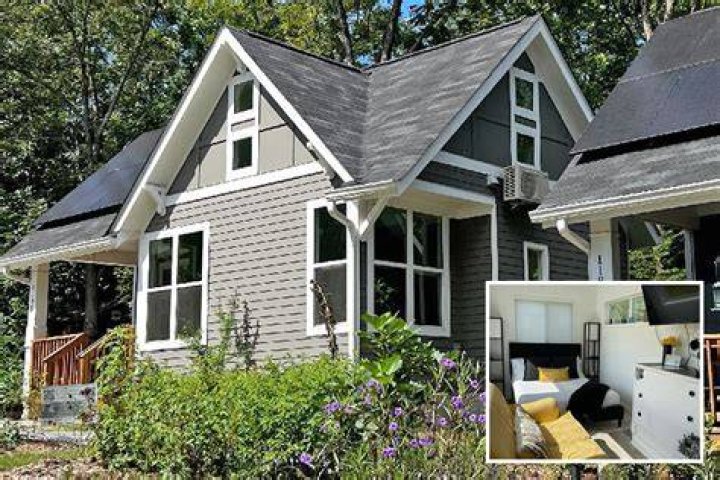
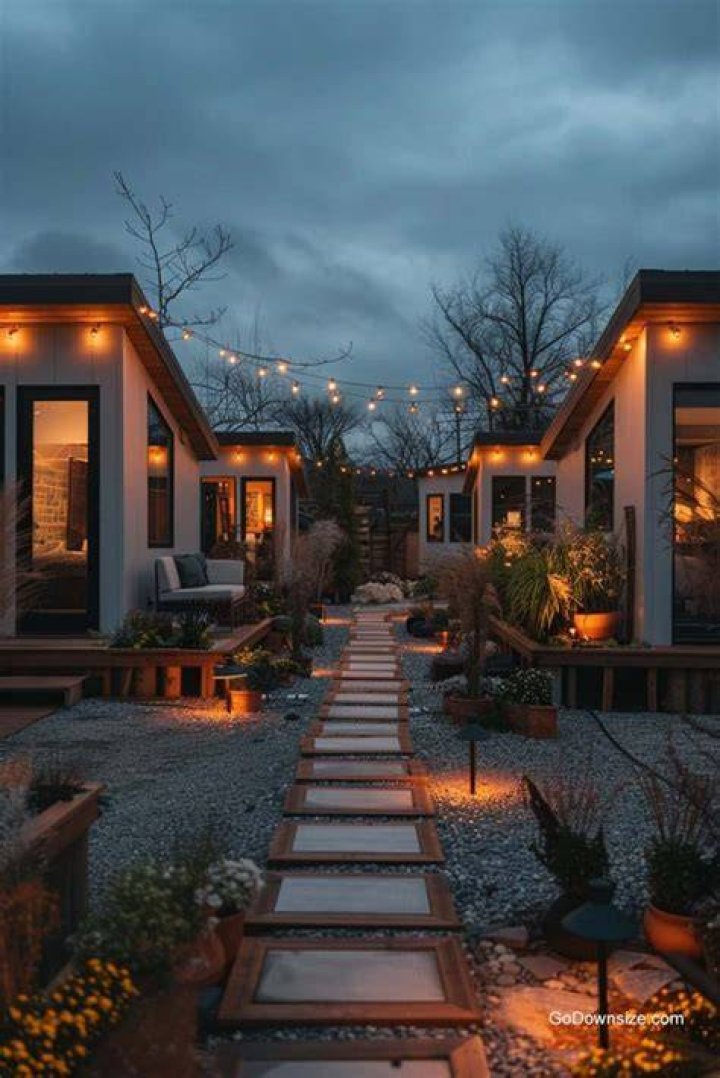
The village of tiny homes - dubbed the Cottages on Vaughan - was officially opened in July with residents moving into the eight homes.
While a tiny home should technically be under 400 square feet, the houses in the village are still small.
Seven of the eight homes are 492 square feet while one is 250 square feet.
The entire community takes up a half-acre lot in Clarkston, Insider reports.
READ MORE TINY HOMES
More than 1,500 people joined a waitlist to buy one of the homes as they were being built.
The list was eventually narrowed down to eight people who each forked up to $200,000 despite the average cost of a tiny home being about $60,000.
Will Johnston, who runs MicroLife Institute, is one of the eight residents in the community.
He said the price of the homes were high because they differ from the average tiny house.
Most read in Money
Instead of being on wheels, the homes are built on foundations with sustainable materials.
And, because of the pandemic, he said the cost of construction was much more expensive.
Despite this, there wasn't an issue with getting buyers.
"We proved it was a desirable product," Johnston told Insider.
Each home comes with a porch to allow residents to spend time with one another in what Johnston hopes will help fight the "loneliness epidemic" that was created during the Covid pandemic.
"We built the cottages in a way for people to connect through the built environment, the design, and the layout," he said.
"Meaning, I will interact with someone on a daily basis. I will be noticed as a person and remind myself that other people exist and have a small connection with them daily."
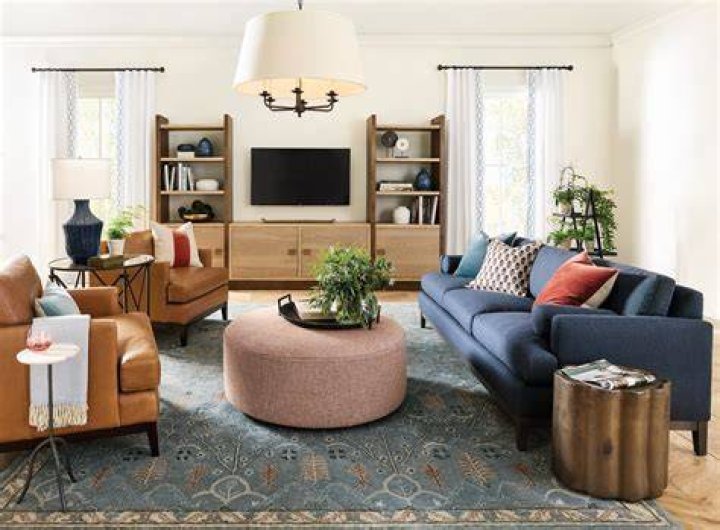
Each home has a living space, a kitchen, a bathroom, and a bedroom and all have the same layout except the 250-square-foot home.
Johnson's home even has a washer and dryer.
Because of the close proximity of the cottages, each home was designed with an "open side" and a "closed side" to ensure privacy.
"The open side has large windows facing its side yard, while the closed side has high windows and skylights to bring in ample light while preserving privacy," read the Cottage on Vaughan website.
"The result is that neighbors do not peer into one another's living space."
There is also a community garden, fire pit, and parking lot.
Residents range from a 23-year-old grad student to a 61-year-old business owner.
"I have lived here for just over a week, and I have spoken to at least one of my neighbors every day," said resident, Rich Pasenow. "I also love the general community interest and support."
While the residents said it has been a big lifestyle change, they seem happy with the community and have agreed to open their homes to educate people about micro living and community-based lifestyles.
Read More on The US Sun
"We need to build better community-driven communities, so we can build a better and stronger society," said Johnston.
He hopes the project will inspire others and he has no intention of stopping here.

3