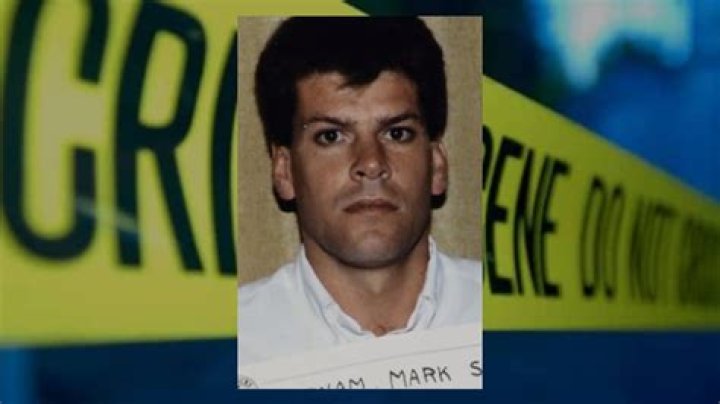
Mark Putnam: The First FBI Agent Convicted Of Murder

Charlotte Adams
Published Oct 18, 2026

The Shocking Confession that Made History
In a surprising turn of events in 1990, Special Agent Mark Putnam made history as the first FBI agent convicted of murder. Unlike many FBI cases, this wasn’t a matter of duty; it was a crime fueled by passion.
The Weight of Guilt: A Confession that Changed Everything
Haunted by guilt, Mark Putnam felt compelled to confess to a crime that would make headlines. His admission, considered honest, revealed a narrative that only he and Susan Smith knew. Unfortunately, Smith was no longer around to corroborate Putnam’s side of the story.
Mark Putnam’s Early Years: From Overachiever to FBI Aspirant
Born on July 4, 1959, in Coventry, Connecticut, Mark Putnam’s journey began as the eldest of three children. Described as an overachiever and highly competitive in sports, he pursued a dream of becoming an FBI agent, eventually graduating in criminology from the University of Tampa.
Joining the FBI: Dreams Becoming Reality
Mark’s determination led him from a clerical position to becoming an FBI agent. After marrying Kathy Ponticelli and having a child, he achieved his goal in 1986, graduating from the FBI Academy with the coveted gold FBI badge.
Assignment to Pikeville: A Twist in Fate
Assigned to the Louisville office initially, Mark’s journey took an unexpected turn when he was reassigned to Pikeville, Kentucky. Despite challenges, including his wife’s dissatisfaction, Mark immersed himself in his work, driven to build an impressive arrest record.
Pursuing ‘Cat Eyes’ Lockhart: A Crime-Fighting Ambition
Mark’s pursuit of Carl Edwards “Cats Eyes” Lockhart, a bank robber, showcased his determination. Establishing himself as a streetwise crime-fighter, Mark’s investigative skills led to Lockhart’s capture with the help of informant Susan Smith.
Susan Smith: The Informant with Secrets
Susan Smith’s life, marked by hardship and addiction, intertwined with Mark’s when she became an informant. Their professional relationship developed into a personal one, blurring boundaries. The financial incentives for informants added complexity to their association.
The Tragic End: From Informant to Victim
As Mark distanced himself from Susan, tensions escalated during a meeting on Peter Creek Mountain. The verbal dispute turned fatal, resulting in Susan’s tragic death. Mark, overwhelmed by guilt, confessed to the murder after failing a polygraph test.
Investigation Unveils Disturbing Details
Initially, the investigation focused on Susan’s disappearance, with Mark emerging as a potential suspect. His failed polygraph test raised suspicions, leading to a confession that became pivotal for prosecutors. The case unfolded, highlighting the unique challenge of an FBI agent charged with homicide.
The Plea Deal and Unanswered Questions
Mark’s guilty plea, an unprecedented event in FBI history, spared him from trial. Susan’s family expressed outrage at not being consulted about the plea bargain. Unanswered questions lingered, raising doubts about whether the affair was the sole motive for Susan’s murder.
Mark Putnam’s Life After Prison
Released in 2000 for good behavior, Mark faced a changed world. His wife Kathy had passed away, and he relocated to Georgia, working as a physical trainer and remarrying. The motive behind Susan’s murder remains a topic of speculation, with conflicting narratives adding layers to the tragedy.
Unveiling Hidden Truths: A Sister’s Perspective
Shelby Ward, Susan’s sister, believes there’s more to the story. Allegations of FBI Agent Ron Poole’s involvement and claims about Mark’s illicit activities added complexity. The absence of evidence regarding Susan’s pregnancy raises questions about the true motives behind her tragic end.
Conclusion:
In a story that transcends the typical FBI narrative, Mark Putnam’s case invites us to reflect on the complexities of human relationships, the consequences of choices, and the lingering mysteries that endure even after the legal chapters have closed.