Millions of Americans issued government warning over 'holiday scams' that aim to drain your bank before Christmas

Michael Green
Published Sep 19, 2026
THE US Attorney's office has warned millions of Americans to watch out for holiday scams this December.
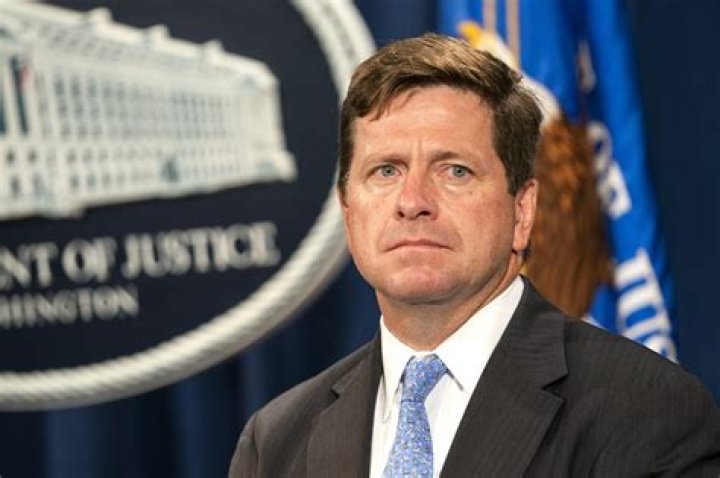
In a statement on December 5, US Attorney Dena J. King (Western District of North Carolina) warned consumers about online shopping scams.
1
“December is the month of giving, but it’s also the time of year when cybercriminals try to take advantage of consumers, quickly turning a joyous season into a living nightmare,” said US Attorney King.
“Whether shopping online for a gift, choosing a charity for a donation, or applying for seasonal work to earn extra money, it is imperative for everyone to stay vigilant against online scams and identity theft schemes."
The FBI Internet Crime Complaint Center and the FTC revealed that a record $10.3 billion was lost to online scams last year across America.
And this year, financial losses from scams are expected to reach unprecedented levels, experts said.
Read more on scams
HOW DO HOLIDAY SCAMS WORK?
Typically, holiday shopping scams involve scammers pretending to be legitimate online sellers.
This can look like a fake website or advertisement on a genuine retailer site.
In some cases, cybercriminals will carry out these scams using phishing emails, social media messages, or SMS texts.
"Cybercriminals take advantage of the hustle and bustle of the holiday season to dupe consumers via phishing emails or texts that contain suspicious links," the US Attorney's statement reads.
Most read in News Tech
"Be particularly mindful of purported communications from your bank or credit card company, warning you that your account has been compromised."
This can cause problems for you if you spend money on something and it never arrives, or if you find fraudulent charges on your card.
HOW TO STAY SAFE
The first thing experts suggest is Googling online shopping sites with words like "complaint," and "scam."
It's important to never share personal information with anyone you don’t know.
Don’t click on pop-up ads or messages when you come across them. Similarly, delete phishing emails and ignore harassing phone calls.
Furthermore, users must use a credit card for online purchases, if possible.
"Credit cards offer the most protection against fraud compared to other types of payments," the FTC has said in the past.