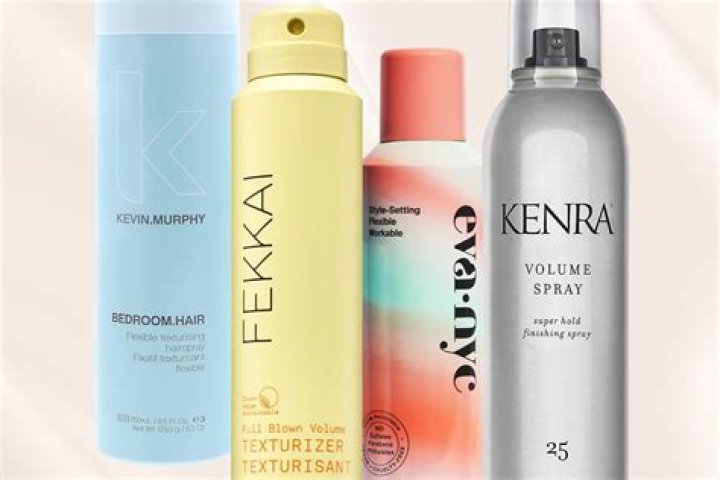
The Best Hairsprays for Everyday Styling

Michael Green
Published Jul 22, 2026

Hair Spray Types
If you’ve been staying away from hairspray all this time, you’re missing out. In 2020, around 98 million Americans used hair spray, and that’s almost one-third of the population! They’re also safe to use, so it’s about time you gave them a shot. As long as you use it in moderation, you’ll reap nothing but benefits from this recent addition to your haircare routine. It all starts with picking the right product, and that’s where this buying guide comes in handy.
Haircare is a lot like skin care in the sense that no matter how high-quality a certain product is, it’s not for everyone. When you’re in the market to buy a face wash, cleanser, or even sunblock, you’ve got to base that decision on the type of skin you have, right? It’s the same with hairsprays, which is what makes this decision tricky. But don’t worry, all the information you need to help you spend your hard-earned cash on a product that works for you is right here.
Hair sprays might all look the same when they’re stacked on a shelf, but their wide variety of types is enough to throw off any beginner! Mainly, they differ based on factors like the type of hair they’re meant for and the ingredients. They also vary in terms of their “specialties” like extra shine, extra volume, and enhanced heat protection.
You can also choose between pump sprays or ones with propellant gases, like butane or propane. The latter isn’t as preferable even though they’re easier to use. Those gases are flammable and pose hazardous risks. But you’ll have to pick a product based on your preferences and hair type, like thick or thin, colored or natural, and so on.
Let’s go over some of the most common categories of hair types to help you get a better idea of what might work for you.
Average Hair
If you’ve got hair that’s not too curly and not the straightest, neither oily nor dry, then a normal all-purpose variant should do the trick for you. These are the easiest to find, as they claim the biggest pie of the market by catering to the biggest percentage of the masses.
Dry Hair
Dry hair hairsprays are a bit more niche, but there are still some very promising options within this category. If you belong to that demographic, you probably know combing and styling difficulties all too well, which is why you need a product with enhanced conditioning capabilities. You should look for a hairspray with micro-oils to nourish your hair with a boost in moisturization. The less alcohol, the better!
Frizzy Hair
Frizzy hair can be hard to manage, which can even cause you to run late to work or school! But, all you need is an anti-frizz solution for smoother, shinier, and instantly more presentable hair. Like hairsprays for dry hair, these also contain micro-oils to provide you with more control.
If it gets super unruly, then look into hair lacquer for maximum hold!
Oily Hair
Hairspray shopping should be relatively easier if you’ve got oily hair since there are plenty of options to choose from with “for oily hair” written on the front of the packaging. Look for products with no silicone in the formula, as they can make things worse by aggravating your hair’s condition.
Thin Hair
If you have thin hair, you’re probably faced with one or more issues, like a greasy look, volume lack, split ends, and static build-up. It’s possibly the most challenging combination of problems with managing your hair, but there’s a quick fix — volume hairsprays! These specially designed hairspray formulas add tons of volume in an instant, so look for products that have collagen as one of their key ingredients.
Curly Hair
Since curly hair is notoriously hard to handle, you need a strong hair lacquer to get everything under control every morning!
Damaged, Strained, or Thin Hair
Are you guilty of blow drying or straightening your hair right after taking a shower? Consistent repetition of such bad habits can be detrimental to your hair and lead to issues like damaged or strained hair. If you’re already at that stage, then you need a hairspray with silicones in it to wash away your “styling sins” of the past!
Hairspray Strength
Not all hairsprays are equally strong, nor do they offer the same level of hold. That’s why most brands offer a strength metric with a score on a 1 to 5 scale. You can also find it mentioned textually on the packaging with phrases like “maximum hold,” and you should base your purchase decision on what you’re buying a hairspray for.
Looking for a helping hand against your perky-but-wild curls? Get a hairspray with a strength of 3-4 out of 5. This keeps them manageable, but also sufficiently flexible.
Want something low-profile that’s barely noticeable, but still uplifts your hairstyle? A 1-2 strength level will do just fine. It’ll give you that tamed natural look without all the gunk that comes with stronger products.
For those complex hairstyles and updos, you’ll need the strongest option of the lot — i.e. a strength level of 5. Whenever you see a celebrity walking the red carpet with those intricately pinned hairstyles, there’s some “maximum hold” hairspray keeping it all together, even in bad weather like high humidity.
Silicone Content
Some hairsprays also have silicone, which is a great ingredient for damaged hair, and a no-go for oily hair, so it all comes down to the hair type you’ve got.
They provide some extra smoothness or shine, which works great for some people, but only worsens the issue if you’ve already got greasy hair.
Silicones cheat your hair into looking healthier by wrapping around the hair and portraying a smoother look, masking all signs of strained hair. Ironically, though, consistent use of silicone-based hairsprays can also cause damage. Still, it can be a great occasional product to add to your haircare toolkit as long as you use it in moderation.
Propellant Gas Sprays Versus Pump Spray
As discussed above, you either get a propellant gas spray or a pump spray, and each has its own set of pros and cons. Professional hairdressers usually work with pump sprays, as they don’t have as much spray mist as propellant gas ones. That mist isn’t a big problem for most people, but some clients might be allergic or asthmatic, which is why pump sprays are the more practical option.
But, if you don’t have any such health condition, then get a propellent gas hairspray as they’re easier to apply and also cheaper. Just try not to miss your hair as you may end up inhaling some of the residual mist, which isn’t ideal. Also, stay away from fire or candles when you use them as that stuff is flammable!